Nottingham College reclaims control of its print with Konica Minolta
12 Jun 2026

Nottingham College has transformed its entire print environment by returning to an in‑house print room and streamlining its multifunctional print device (MFD) fleet in partnership with Konica Minolta.
After a period of rising outsourcing costs, inconsistent turnaround times and an oversized fleet of MFD devices, the college needed a more efficient, sustainable and reliable approach. Working with Konica Minolta, it consolidated production into a single, modern print room equipped with high‑performance print, booklet finishing and AccurioPro Flux workflow automation, while reducing the MFD estate to a streamlined and well‑managed core.
The result is faster turnaround, improved quality, lower costs, reduced waste and a print environment that supports the college’s wider digital and sustainability goals.
Customer Profile
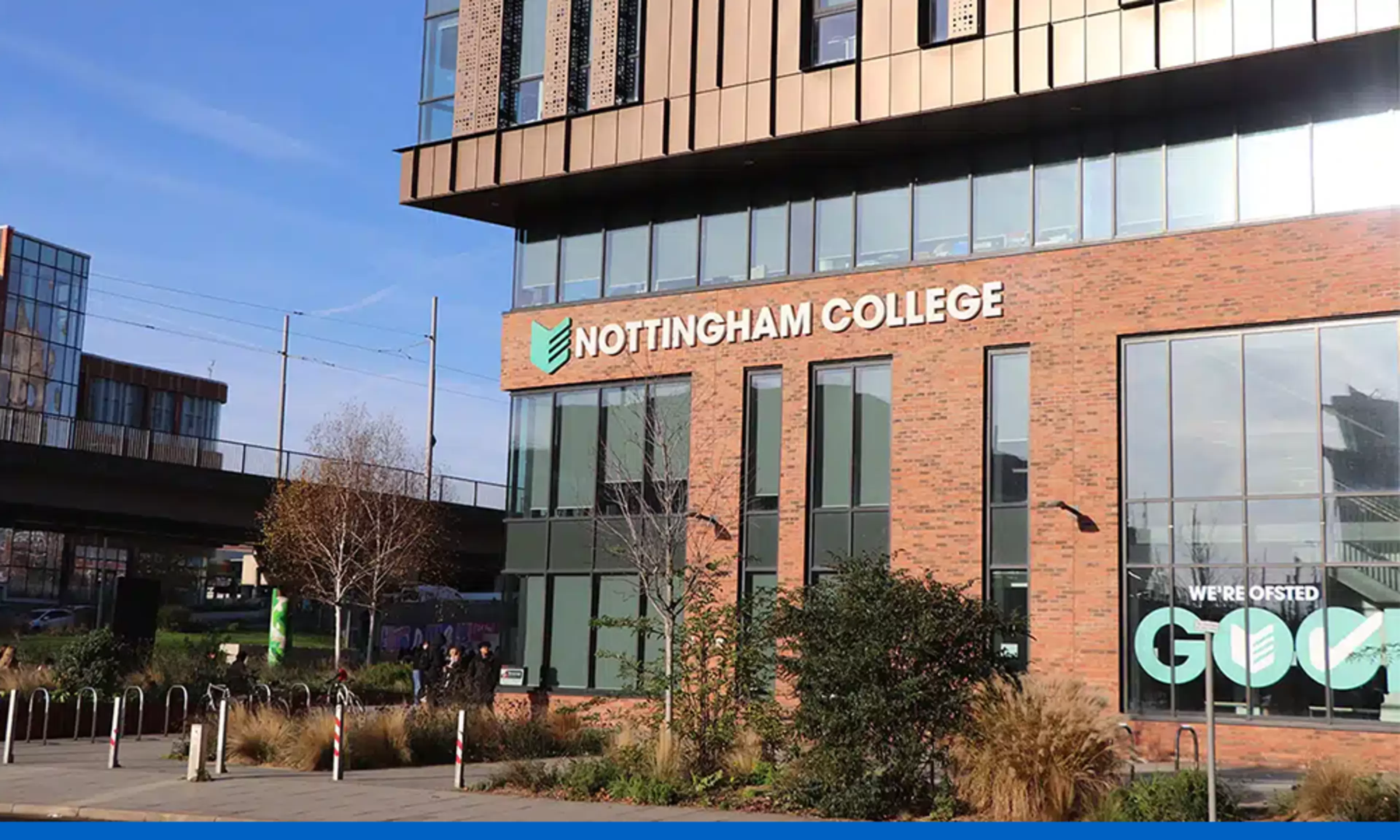
Nottingham College is one of the UK’s largest further education institutions, serving more than 25,000 students and around 1,700 staff across ten main sites and several satellite locations. As a single, unified institute with a turnover approaching £90 million, the college operates at a scale larger than many universities. Its IT Services team, led by the Head of Information Technology Services, Yasir Rafi, supports every aspect of the digital and print environment across the estate, from classroom technology to print management and sustainability initiatives.
Challenges
Nottingham College’s print environment has undergone several transitions in recent years. Historically, the college operated a large, centralised print room but a variety of reasons led to the college attempting to outsource much of its production print work - a shift that ultimately created a series of operational and financial challenges.
When Yasir Rafi joined in early 2020, he inherited a fragmented print estate: more than 140 MFDs of varying ages and types, a mixed inventory of desktop and inkjet devices, and a reliance on ad‑hoc outsourcing that was proving costly and inefficient. Staff were printing “silly amounts”, as Yasir commented, and the lack of a coherent print strategy meant that high‑volume or specialist jobs were being pushed through devices that were never designed for them.
Outsourcing the print room operations created additional pressure on service delivery and management. Turnaround times often proved too slow for the college’s fast‑moving academic environment, and the volume of purchase orders required to manage external print jobs became difficult to manage. Costs rose sharply, and the college found itself without a central hub capable of delivering consistent quality, finishing, or workflow control.
The closure of the original print room also had unintended consequences. MFD usage skyrocketed, paper consumption increased, and the college lost the ability to produce key materials - such as exam papers, course packs, posters and banners - at the speed and quality required. Sustainability goals were also harder to meet without proper oversight or the ability to steer staff towards more efficient print behaviours.
As Yasir explained, “We still had to cater for a huge amount of print, but we needed to bring some sense back into how it was being done. The estate was too big, too inconsistent, and too expensive.”
Solution
To regain control of its print environment, Nottingham College made the strategic decision to reinstate its print room and consolidate its production print operations. The college approached Konica Minolta Business Solutions (UK) Ltd as its trusted partner, both for the production print room and for the wider MFD fleet, following a competitive framework refresh led by Yasir.
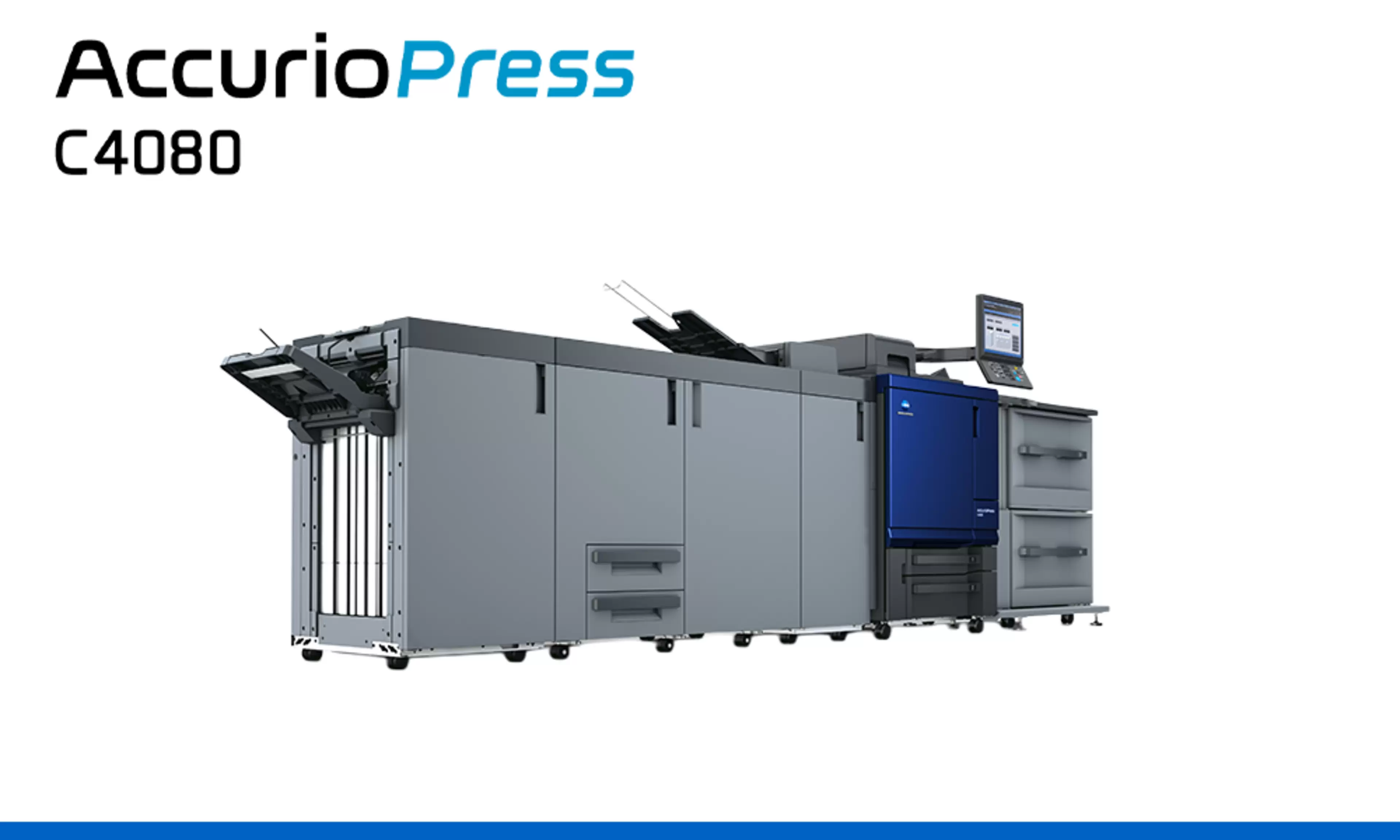
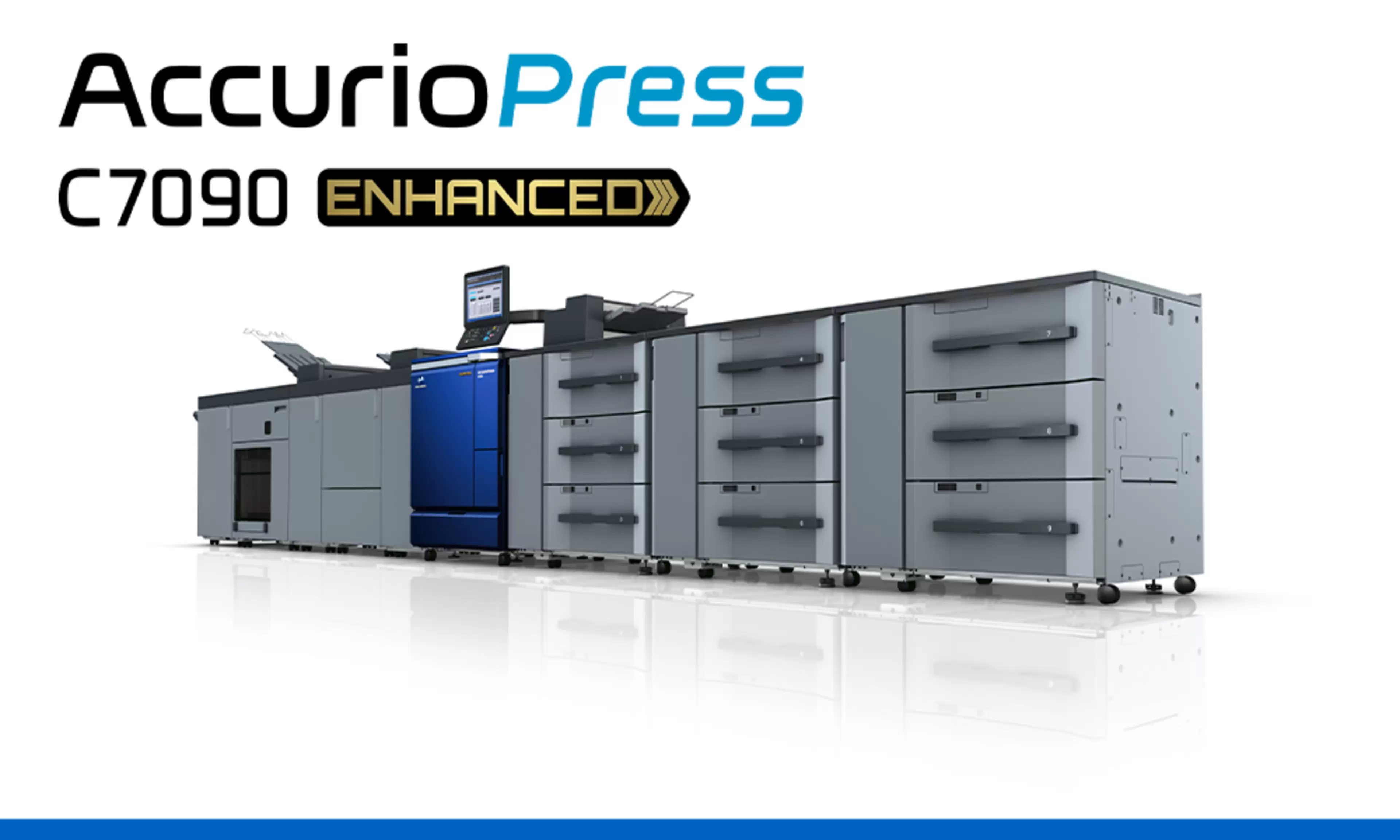
The new production print room was equipped with a modern, high‑performance suite of devices including a Konica Minolta AccurioPress C4080, an AccurioPress C7090, an AccurioPress 6120 mono engine, and an Epson large‑format printer. Each Konica Minolta engine was paired with an SD513 booklet maker, enabling the college to produce high‑quality finished materials in‑house. The entire workflow is now managed through Konica Minolta’s powerful AccurioPro Flux workflow, giving the print room team a centralised, automated and highly efficient way to manage incoming jobs.
Konica Minolta also provided £1,000 of free ink as part of the installation, and the college invested around £100,000 in the new production setup. Training requirements were minimal, with the college having an experienced print room team. The print room itself was consolidated from three separate spaces into a single, purpose‑built environment that houses all production equipment in one place.
Alongside the production environment, Yasir worked with Konica Minolta to rationalise the MFD fleet dramatically – reducing it from more than 140 disparate devices down to just under 70 strategically placed units. The management of these is now handled through PaperCut software, which supports the college’s sustainability agenda and provides the controls needed to reduce unnecessary printing. Staff are given an annual print credit limit, with larger or more complex jobs directed to the print room where they can be produced more efficiently and at lower cost.
Benefits, Results & ROI
The impact of the new print room has been immediate and significant. By bringing production back in‑house under the Marketing & Communications department, Nottingham College has regained the speed, quality and control it previously lacked. Same‑Week turnaround is now possible for many items, including exam papers, course materials, posters and pop‑up banners - something that was a challenge when solely relying on external suppliers.
Quality and finishing have improved markedly thanks to the SD513 booklet makers and the consistency of the Konica Minolta print engines. The AccurioPro Flux software has streamlined workflows, reduced manual handling, and enabled the print room to manage high volumes more efficiently.
Financially, the college has seen substantial savings. Outsourcing had become more than twice as expensive as producing materials in‑house, and the college estimates that retaining its previous mono press alone saved between £60,000 and £70,000. Lower click rates, reduced waste, and the rationalised MFD fleet have all contributed to a more sustainable and cost‑effective print environment.
Sustainability has also been strengthened. The PaperCut software supports the college’s carbon‑zero agenda for 2030, and staff are now more aware of responsible print behaviours. As Yasir noted, “Students are asking about sustainability, it’s a big agenda for us, and the print environment fully supports that.” He added, “While the college continues to support printing where necessary, we are also seeking a more ethical and sustainable approach, with a focus on reducing waste, improving efficiency, and lowering the environmental impact of our print infrastructure.”
The centralised print room has also improved internal service levels. Staff now have a single point of contact for print through the dedicated Reprographics team, and the reliability of the Konica Minolta devices has reduced downtime and support overheads. Konica Minolta’s service team continues to support relocations, upgrades and maintenance, working around the academic calendar to minimise disruption.
Looking ahead, Yasir expects the print environment to continue evolving, but not through major changes. “We’re settled. The devices are reliable, the service is strong, and the framework refresh will just be a refresh. We’re not looking to change anything.” Konica Minolta will remain a key partner in this journey, as Yasir summarised, “What matters is the relationship, the support, and the day‑to‑day service. That’s where Konica Minolta makes the difference.”
Yasir Rafi
Head of Information Technology Services at Nottingham College
For Yasir, the decision to work with Konica Minolta was straightforward: “The devices work, the service works, and the support is there when we need it. My team deals with most issues directly with Konica Minolta, and I rarely need to get involved. It just runs.”